
Recently, I participated in a Q&A-style interview with a visiting scholar to Harvard’s Graduate School of Education named Junjin Hu. In the thoughtful exchange below, we consider the origins of my theory of multiple intelligences, core issues, and educational applications. This interview was also published in a recent edition of Research MI.

PART I. The Theoretical Origins of the Theory of Multiple Intelligences
Question: Dear Professor Gardner, it is a great honor to have the opportunity to ask you several questions about the theory of multiple intelligences. I would like to begin with your early research. Could you discuss the connection between your early research on the psychology of art and the eventual development of the theory of multiple intelligences? Before proposing the MI theory, you had already explored the idea of art as a cognitive mode of the human mind in works such as The Arts and Human Development (1973), Artful Scribbles (1980), and Art, Mind, and Brain (1982). These studies can be seen as an attempt to construct a “cognitive psychology of art.” I am curious how this early line of inquiry into art and the mind gradually led you toward formulating the theory of multiple intelligences.
Answer: In the middle 1960s, I became interested in the study of cognitive development—as pioneered by Jean Piaget and pursued as well by my mentor Jerome Bruner. As a young person interested in the arts, I was surprised—and disappointed—that for these and other scholars, being “cognitively developed” meant “thinking like a scientist”—using what Piaget called “formal operations.” I believed—and still believe—that artists are as cognitively developed as scientists—but they develop different mental faculties and deploy them in different ways.
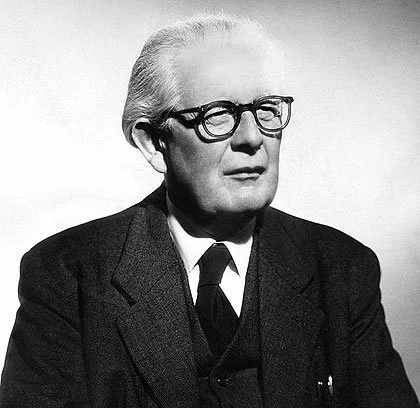
Jean Piaget
And so, with the enthusiasm and ambition of a young scholar, I decided to think about and to study—empirically—the development in children of skills, knowledge, technique in the arts. As we phrased it in those days, to deem “artistic competence” as a form of development as important as “scientific competence.” My first scholarly book—published in 1973—was called The Arts and Human Development. And by that time, I was a researcher in artistic development and also the co-director of Harvard Project Zero.
Question: Could you reflect on the influence of Nelson Goodman on your work? Goodman was not only a leading figure in analytic philosophy and symbolic logic, but also a scholar with profound insights into the artistic world. His Languages of Art (1968) is considered a classic in analytical aesthetics, and at the time of its publication he had founded Harvard’s Project Zero. As a researcher in the philosophy of education, I am very interested in how Goodman’s ideas on symbol systems and the arts shaped your thinking and research trajectory.
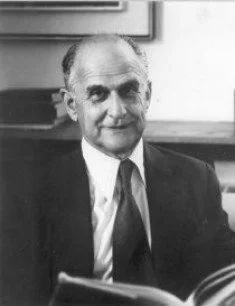
Nelson Goodman
Answer: As just mentioned, as a young doctoral student, I was searching for a way to understand the development of artistic skills, abilities, creativity. Almost by accident, I learned that a distinguished philosopher named Nelson Goodman was launching a research project on education in the arts and was looking for young research assistants. I went to meet Nelson Goodman, we “hit it off” (liked each other) and in the fall of 1967, I became the first research assistant at Project Zero. I was soon joined by MIT computer science doctoral student David Perkins. When Goodman announced his retirement from Project Zero in the early 1970s, David and I became the co-directors and served in that capacity until 2000.
I was not and am not a philosopher. That was an advantage in working with Goodman. He was a tough personality and held his doctoral students in philosophy to exceedingly high standards. Goodman treated me more as a son than as a doctoral student. He tried to teach me about how he conceived of the arts and encouraged me to study artistic development empirically—for example, figuring out how young persons could perceive style in the arts.
Goodman was a very careful writer. He once said, “When I am reading a paper and I don’t understand a sentence, I stop reading.” That was a very high standard indeed—even today, six decades later, I can still hear those words!
Also, in the late 1960s, Goodman and I learned about how different mental/cognitive faculties were represented in the human brain. We invited the brilliant neurologist Norman Geschwind to speak at Project Zero. Geschwind made a convincing argument that the left hemisphere of the brain handles certain kinds of symbols (roughly speaking, linguistic and numerical symbols), while the right hemisphere of the brain handles spatial and textural materials. This finding fit into our own emerging thinking about artistic cognition. I was fortunate to be able to carry out postdoctoral research in neurology and aphasia under the direction of Geschwind.
It's a good quip in English—my scholarly life was transformed by two men with the initials NG: philosopher Nelson Goodman (1906-1998) and neurologist Norman Geschwind (1926-1984). I miss them both very much.
Question: How do you view the relationship between multiple intelligences and Nelson Goodman’s notion of “multiple symbol systems”? In Ways of Worldmaking (1978), Goodman argues that humans do not understand the world through a single logical language, but through multiple symbol systems such as language, images, sound, movement, numbers, diagrams, and models, each of which helps construct different “worlds.” It seems to me that the theory of multiple intelligences extends this idea into the domain of the mind: the human mind is not a single logical instrument but a set of relatively independent symbol-using capacities. In this sense, each intelligence functions almost like a symbolic system within the mind. Would you consider this interpretation accurate?
Answer: You have understood well the confluence between Goodman’s philosophical distinctions and my psychological speculations. Goodman used to quip that “cognitive psychology is the most interesting branch of philosophy,” and “a psychologist is just a philosopher with a research grant.” Indeed, Goodman learned about cognitive psychology during a year spent at the Center for Cognitive Studies at Harvard. His host there was Jerome Bruner, who also was one of my principal mentors.
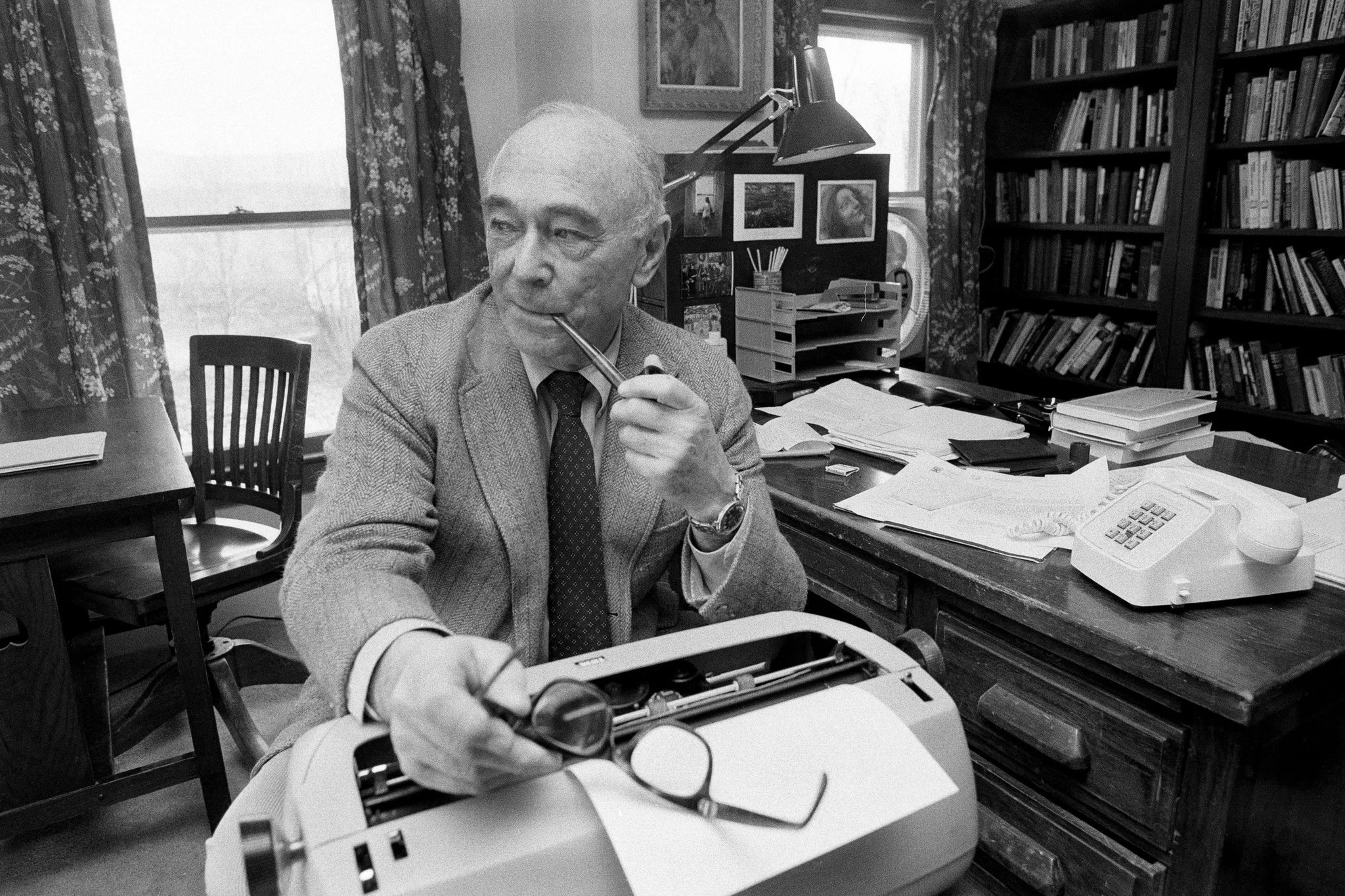
Jerome Bruner
Indeed, at the 25th anniversary celebration of Project Zero, both Bruner and Goodman made an appearance and that was very meaningful to me. Somewhere there is a photograph of the two of them together.
Question: How did Piaget, structuralism, and the broader tradition of symbolic philosophy influence your development of the theory of multiple intelligences? The symbol-systems approach and the twentieth-century tradition of symbolic philosophy, represented by figures such as Ernst Cassirer, Susanne Langer, and Alfred North Whitehead, emphasize that symbolic activity lies at the heart of human cognition and creative development. Piaget’s genetic epistemology, however, focuses primarily on logical and rational structures and portrays the child as a “little scientist,” which makes it difficult to account for symbolic creativity in areas such as the arts. In The Quest for Mind (1973), you examined both Piaget’s and Lévi-Strauss’s ideas. I am curious how these intellectual traditions, including Piaget’s genetic epistemology, Lévi-Strauss’s structuralism, and the broader currents of symbolic philosophy, collectively shaped your formulation of multiple intelligences. I also noticed that in Frames of Mind (1983) you place particular emphasis on biological and anthropological perspectives.
Answer: When I try to describe my own skills as a scholar, I consider myself a synthesizer. I called my scholarly memoir A Synthesizing Mind and have written dozens of blogs about synthesizing, which you can read here.
As a student, I read all of the scholars whom you mentioned—and in fact, Susanne Langer had been the teacher of my first wife Judith Krieger Gardner, and I have a letter from Langer hanging in my office. I was fortunate to have personal relationships with Jerome Bruner and Claude Lévi-Strauss and also to have met and interviewed Jean Piaget a few times—letters from these men also adorn my office.
I began college as a “history major,” but was attracted by a relatively new field of study called “Social Relations” (shortened to “Soc Rel”)—an effort to synthesize theories and findings in the relatively new fields of psychology, sociology, and anthropology. So, I was quite prepared to encounter and appreciate the works of Lévi-Strauss. At the time (the middle 1960s), the French school of structuralism/structural analysis was not well known in the United States. I saw intriguing parallels between the works of Piaget and Lévi-Strauss. I thought that it would be worth spelling them out in a book The Quest for Mind: Piaget, Claude Lévi-Strauss and the Structuralist Movement—my other major publication in 1973. Also adorning my office are letters from these two savants—both dated April 10, 1970! (Piaget’s in French, Lévi-Strauss in almost perfect English.)
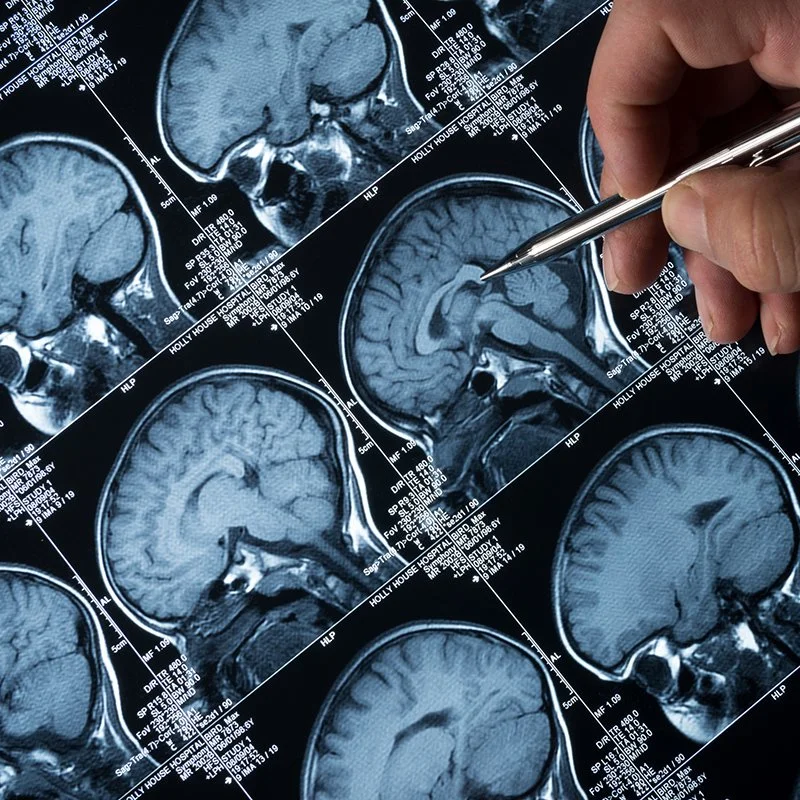
Question: How did your training in neuroscience influence the theory of multiple intelligences? In The Shattered Mind (1975), you analyzed cases of brain damage to examine how different symbolic capacities can be impaired or preserved. These findings seem to reveal the natural classification and structural organization of symbol systems in the brain. I am curious how this line of neuropsychological research contributed to your eventual formulation of the theory of multiple intelligences.
Answer: My work in neuroscience—particularly on the effects of damage to the brain as studied by Norman Geschwind and many other researchers at his aphasia research center—was crucial to the development of MI theory.
The single most important facet of damage to the human cortex is the location of the lesion—left or right hemisphere, anterior or posterior, shallow or deep. And as it happens, brain lesions can affect different facets of cognition—processing of particular symbol systems and how those symbols are used.
To the extent that I have made any contribution to basic science, it is in delineating the effects of brain damage on various kinds of artistic and symbol-using capacities. And probably the most important work was the identification of the role of the right hemisphere in understanding metaphoric (as opposed to literal) aspects of language use. I carried out this work with Ellen Winner, to whom I have been happily married since 1982.
Question: What do you consider to be the most fundamental biological basis of the theory of multiple intelligences? In China, a common critique is that MI lacks solid empirical support. Yet your research on brain damage, along with your discussion of the “biological foundations of intelligence” in Frames of Mind (1983), suggests that you place considerable emphasis on neuroscientific evidence. This gives me the impression that MI is not merely a developmental psychology theory but one with a strong psychobiological orientation.
Answer: Thank you for that question. It is often said that MI lacks empirical support. That is nonsense! Frames of Mind, published in 1983, cites and builds upon hundreds of empirical studies. And in the preface to the new edition—published in April 2026—I cite intriguing new lines of work.
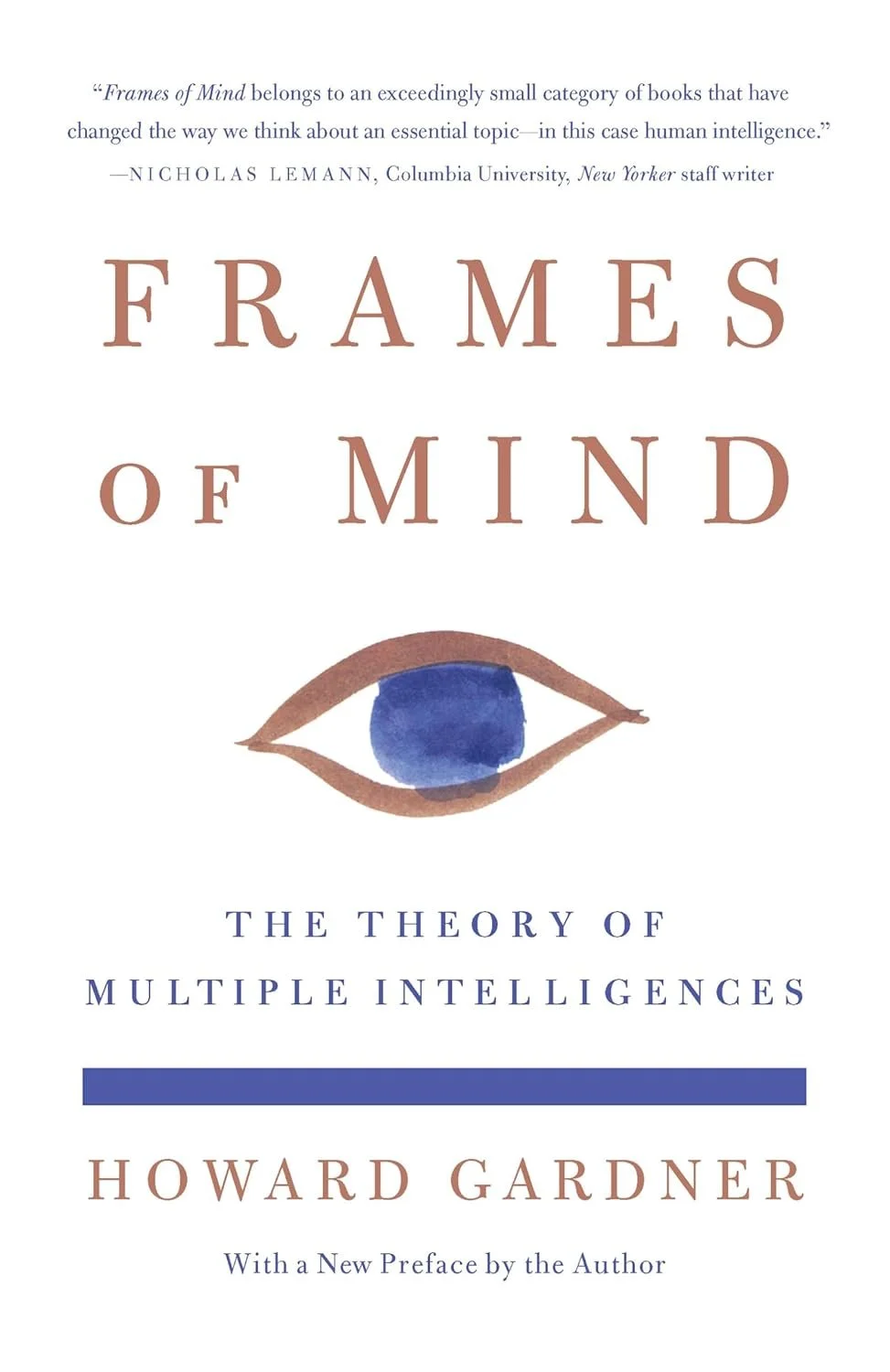
Cover of the latest edition of Frames of Mind (2026)
MI is not an experimental theory. One cannot do an experiment—or even a sheaf of experiments—to prove MI theory right or wrong. Instead, the theory of multiple intelligences involves the synthesizing of vast amounts of data from many studies in many scholarly disciplines. I am sure that MI theory could be refined in light of the forty years of psychological, neurological, and anthropological work done since the original publication—but I have no reason to apologize for—let alone to withdraw—the general approach and the major conclusions.
Indeed, with my treasured colleagues, Shinri Furuzawa and Annie Stachura, I have now been investigating animal intelligences, plant intelligences, and artificial intelligences. (You can read the article we co-authored here.) While IQ tests and success in certain kinds of scholarly work still have their uses, they seem to be “period pieces” in the age of AI. They miss the vast expanse of intelligences in the world of today…and tomorrow.
Question: I am also curious about the influence of neurobiology on your development of the theory of multiple intelligences. In your writings, you frequently refer to Conrad Hal Waddington’s concepts of canalization and plasticity. Canalization highlights the biological stability of developmental trajectories, whereas plasticity emphasizes their sensitivity and openness to environmental shaping. These concepts seem highly relevant to the theory of multiple intelligences. How does MI address the tension between the biological foundations of each intelligence and their cultural malleability?
Answer: This is an important issue and one that I alluded to in the previous question. Work by Miriam Hauptman and her colleagues indicates that certain human faculties are established and essential quite early in life while others are more susceptible to change—due to neural plasticity. As a simple example, it is not difficult to learn new languages when you are an adult, but very difficult to master accents, or tonality in various languages. While I have not myself carried out work on canalization vs. plasticity, I suspect that we will find those tensions at work across the spectrum of intelligences. (I suspect that a sense of perfect pitch is much easier to acquire in childhood than in adolescence or later.)

Miriam Hauptman
Of course, with the rise of artificial intelligence and many computational systems, one can compensate for the loss of some faculties—I may not be able to have a good French accent, but my avatar does just fine.
Question: I am also curious about the relationship between Jerry Fodor’s theory of modularity and the theory of multiple intelligences. Fodor presented his modular view of the mind in The Modularity of Mind (1983), and your Frames of Mind published in the same year. Your formulation of multiple intelligences seems to suggest a kind of functional modularity. To what extent do you think MI can be understood as compatible with Fodor’s modularity at a higher functional level?
Answer: Fodor and I are roughly contemporaries—and, as you point out, our books were published in the same year. We were both greatly influenced by the linguistic work of Noam Chomsky. Superficially, our works can be grouped together: my “intelligences” arguably each contain one or more Fodorian “modules.” But Fodor was not much interested in psychology and actually declared that study of the brain was worthless for cognitive scientists. Nor—as far as I know—was Fodor interested in educational or developmental issues. In that sense, he was very different from Nelson Goodman, or indeed, from Noam Chomsky himself.
In the future, an historian of science should take a look at the different streams of knowledge catalyzed by Chomsky’s scholarly work. And now, in the age of AI, we have learned that a lot of Chomsky’s speculations about processes of human cognition apply not only to human beings but also to Large Language Models. This does not, in my view, minimize the importance of Chomsky’s work. The questions that scholars raise are vital, even as the answers will change over time—as we have observed with figures as pivotal as Newton, Darwin, or Einstein.

II. Core Issues in the Theory of Multiple Intelligences
Question: Among the many related concepts, why did you choose “intelligence” as the central focus of your work? Terms such as faculty, ability, skill, talent, and creativity also describe differences in human cognition, yet the word “intelligence” seems to exert a particular appeal for the public. If Frames of Mind (1983) had been titled with one of these other terms instead of “intelligence,” its impact might have been very different. Could you discuss your reasons and considerations for adopting this specific concept?
Answer: Your assumption about the importance of selecting the word “intelligence” is absolutely correct. In the “West” (roughly the Europe and the Americas), that lexical decision made all the difference. If I had developed a “theory of multiple talents,” even otherwise critical people would have said, Sure, there are multiple talents! And then let the topic drop.
But since I used the word “intelligence” and never disavowed it, I joined a battle, a contest with psychometricians who believe that they alone can define intelligence, and measure it, that it is singular, and that speaking of multiple intelligences, is not only invalid, it’s an abuse of language.
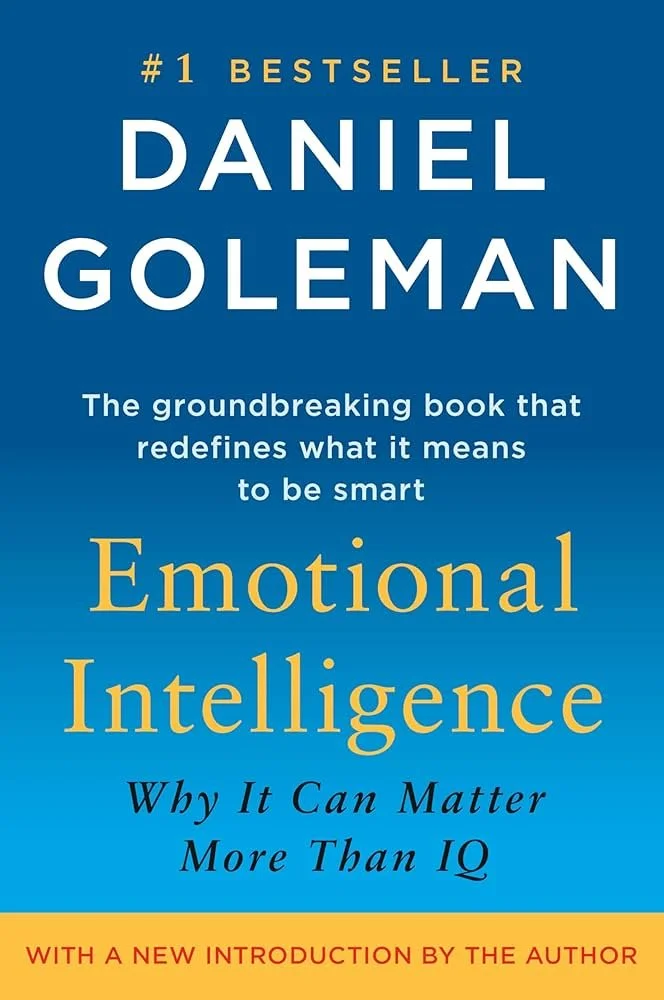
Of course, any informed psychometrician will concede that linguistic, logical, and spatial faculties are separate. Strength in one does not predict strength or weakness in the other two faculties. And with the advent of the work of Daniel Goleman on emotional intelligence, both interpersonal and intrapersonal intelligences now have a place in psychometry. And so, the argument—which I have no interest in pursuing at this time—now revolves around the status of musical, bodily-kinesthetic, and naturalist intelligences.
Question: In Chinese, the term “intelligence” has been translated in several different ways, including “zhili,” “zhineng,” and “zhihui,” each carrying distinct meanings. “Zhili” refers to a general cognitive capacity for understanding, reasoning, and problem solving. “Zhineng” emphasizes information processing and operational abilities and can apply to both humans and machines. “Zhihui” points to an integrated mental state that combines rationality, emotion, and ethical judgment. Since different translations imply different understandings of your theory, which of these do you feel best captures your original conception of “intelligence”?
Answer: Since I don’t speak or understand Chinese, my answer is necessarily tenuous. Clearly I am not referring to zhihui—I see emotions and ethics as separate domains.
I feel somewhat closer to zhineng—because I am using MI theory to try to understand computational systems (see the aforementioned work with Furuzawa and Stachura).
As for zhili, it all depends. If you believe that there is a general cognitive capacity, we are in disagreement. But if you believe that the question of one or more cognitive capacities is an empirical one, then we are “on the same page.”

Question: In classifying different intelligences, you adopt a cross-disciplinary synthesizing approach that draws on evidence from multiple fields to support the existence of each intelligence. However, some experimental psychologists argue that this method is subjective, lacking testable hypotheses and rigorous experimental design, and therefore belongs to a “soft science” that does not rely on strict quantitative data. Some even view the theory of multiple intelligences as a kind of personally constructed theoretical myth. How would you respond to these methodological critiques?
Answer: You raise two critiques here. The first one is that my method does not conform to the traditional view of science. Not all science is experimental in the common sense of that word—in general, claims in geology, astronomy, evolutionary biology are not testable in the way that claims in organic chemistry or psychophysiology are.
I call the kind of science or scholarship that I practice synthesizing. It involves putting together vast amounts of empirical data in ways that make sense and open up new questions and new kinds of inquiry.
I’ve written a great deal about synthesizing—dozens of blogs and a memoir called A Synthesizing Mind. Interested readers can consult these sources.
The second criticism is foolish, if not disingenuous. My book Frames of Mind is based on hundreds of studies in the areas of psychology, neuroscience, anthropology and other areas of scholarship. I don’t believe that anyone who speaks about “theoretical myths” has ever read (or even opened up!) my 400-page book Frames of Mind (which is being published with a new preface in April 2026). I hope that the new edition will be translated into Chinese.
Question: In Frames of Mind, you proposed eight “signs” for identifying an intelligence, including potential isolation by brain damage, uneven developmental profiles across individuals, the presence of an identifiable core operation or set of operations, a distinctive developmental trajectory from novice to expert, an evolutionary history and evolutionary plausibility, and sensitivity to symbol systems, among others. These signs provided the foundational criteria for classifying intelligences. Several decades have now passed. Have you revised, refined, or reconsidered any of these criteria in light of subsequent research and developments in the field?

Answer: I have not revisited the eight signs of an intelligence. These were worked out over the course of five years of study that led to the writing and publication of Frames of Mind. I have considered the evidence for various candidate intelligences and have concluded that there is sufficient evidence to anoint an 8th intelligence called the naturalist intelligence. This is the capacity to make consequential distinctions between one plant and another, one animal and another, one cloud formation and another—distinctions crucial for survival on our planet. I claim that this capacity—seemingly less crucial in an urban environment—continues to be drawn upon in our time to distinguish one commercial product from another, be it automobiles or sweaters or perfumes.
I have been asked to consider other candidate intelligences—including the possible spiritual or existential intelligence. Such candidates are plausible, but I am no longer engaged in the exercise of evaluating other intelligences. (It took a year of study to decide on the validity of a “naturalist intelligence.”) My criteria exist and others are welcome to draw on them—so long as they don’t attribute their conclusions to me!
Question: The theory of multiple intelligences emphasizes the relative independence of each intelligence, a “modular” stance that brings conceptual and biological clarity to the framework. However, many assessments reveal positive correlations among different abilities, and some scholars, such as Piaget, argue for the existence of a general, overarching intelligence. This issue parallels a broader tension in neuroscience between localizationist and holistic perspectives: even if intelligences rely on partially distinct neural regions, might there still be a central integrative mechanism at work? How do you reconcile the observed correlations among intelligences with your claim about their relative independence?
Answer: You raise important issues here. Let me take them one by one:
Certainly, in particular individuals there will be correlations among particular intelligences. If I were to be convinced that, say, musical and spatial abilities were highly correlated, I might combine those two intelligences. On the other hand, if I became convinced that logical capacities were different from mathematical capacities, I would separate them into separate intelligences—and then we would have 8 or 9 intelligences.
I have no objection to the positing of a central integrative mechanism—many scholars would allocate this task to the frontal lobes or pre-frontal lobes, and some might also nominate areas in the parietal lobes for certain kinds of integration.
What I have done is to describe the building blocks—and then to point out that in certain populations, an intelligence may exist in isolation—or, on the contrary, that in certain populations or under certain circumstances, two intelligences might be combined.
If I became convinced that there were a “central intelligence entity” that routinely combines the several intelligences, I would be prepared to revise my theory. But today, over forty years after its positing, I do not find convincing evidence that intelligences are routinely combined in specific combinations. Indeed, the more we learn about cognition, the more we learn about abilities that are impaired, or spared, in isolation. The whole field of neurodiversity—hardly visible a half-century ago—is now a vital part of medicine, education, and rehabilitation.
Question: In China, alongside the theory of multiple intelligences, Robert Sternberg’s triarchic theory of intelligence and his later theory of successful intelligence are also highly influential. The triarchic theory seeks to move beyond the traditional IQ emphasis on analytical abilities by distinguishing analytical, creative, and practical intelligence. However, Sternberg’s definition of intelligence still centers on problem solving. In contrast, your definition of intelligence encompasses not only solving problems but also creating culturally valued products within specific cultural contexts. Because of this cultural dimension, the MI framework remains open-ended, allowing for the potential inclusion of additional intelligences when justified by evidence. How do you view the fundamental differences between the theory of multiple intelligences and the triarchic theory?

Robert Sternberg
Answer: You have given a very good and convincing answer to the question that you raised. My goal is to describe 8 or so separate computational mechanisms—which can operate in isolation or be damaged in isolation. They are building blocks, so to speak.
As I understand it, Robert Sternberg is interested in the ways in which our computational mechanisms are deployed. For instance, linguistic intelligence can be used for analysis (in analyzing a poem), creativity (in writing a poem) and for practical purposes (selecting a greeting card).
Accordingly, I see the two theories as complementary. In fact, thirty years ago, Sternberg and colleagues worked with my research team at Harvard Project Zero, to develop a school program called “Practical Intelligence.” You can read about our efforts in my book Multiple Intelligences: New Horizons. In the course of that collaboration, I did not sense a major difference in how we think about human intellect—the differences were more in our research methods and pedagogical goals and how we pursued them.
As an example, Sternberg was far more interested in developing curricula and tests—while I was more interested in creating experiences that would engage students in the activities of school.
Question: I would also like to raise a question about the cultural and ethical dimensions of intelligence. Within the framework of multiple intelligences, could cultural preferences for certain intelligences lead to ethical imbalances? In other words, does a society have a moral obligation to ensure that every form of intelligence has the opportunity to be developed? If cultural power structures consistently reward some intelligences, such as linguistic or logical-mathematical intelligence, while devaluing others, such as spatial, musical, bodily, or naturalistic intelligence, would this amount to a form of epistemic injustice?

Answer: I agree that cultures send strong signals about which intelligences they prioritize, and which accordingly get short shrift. As just one example, learning to sing and to play instruments has been much more important in Finland and Hungary than in other countries. Obviously, naturalist intelligence is more of a premium in a community far away from cities and set in a rural agricultural area. To a Westerner, Japan seems to be especially focused on interpersonal intelligence, and not as much on intrapersonal intelligence.
I would not go so far as to say that every society is obliged to nurture every intelligence. But now that these intelligences have been described, I certainly think that no society should block their development. Preferably, societies should be encouraged to nurture and develop the range of intelligences in all of their young people. I have long admired children’s museums in the United States and cultural palaces in China for providing such opportunities to young persons.
Also, now that we have overwhelming evidence for neurodiversity, it’s especially important to make sure that every child has exposure to a range of subjects and pursuits, and that educational entities should offer different approaches to subjects and topics deemed important.
Question: If you were to rewrite Frames of Mind today, which chapters or core claims would you revise? With the rapid development of artificial intelligence, does the concept of “intelligence” itself require updating? Do you foresee the possibility of adding new types of intelligence in the future?
Answer: I have two answers to this question:
I would not try to rewrite the book though I would certainly update with new findings from neuroscience, psychology, and other disciplines.
Instead, in the preface to the new edition (to be published in April 2026), I have indicated the ways in which my thinking has changed.
On the other hand, I think that the exclusive focus on human intelligences—while important and fascinating—is much too narrow, too egocentric. Accordingly, as mentioned, with my colleagues Shinri Furuzawa and Annie Stachura, I have written a lengthy essay on “Who Owns Intelligence?” In that essay, we review claims about animal intelligences, plant intelligences, and artificial intelligences, including Artificial General Intelligence (AGI).
That’s where I would focus my energies—especially if I were granted a decade or two of life, and of a reasonably functioning mind and body. I am aware that I am well into my ninth decade on the planet.

III. Educational Applications of the Theory of Multiple Intelligences
Question: In educational research, “intelligence” often serves as an analytical handle that brings diverse issues such as learning differences, curriculum design, equity and selection, assessment, and even educational aims into a unified framework. When you first conceived the theory of multiple intelligences, had you already anticipated or considered its potential applications in education?
Answer: Good question. When I began to work on the research that led to Frames of Mind and the theory of multiple intelligences, I was in a very different place. I saw myself as a broadly-based psychologist—spanning cognitive, developmental, and neuroscience—with an interest in a range of social sciences. I did not see myself as an educator—and in fact the chapters on education at the conclusion of the book were the least developed—almost an afterthought.
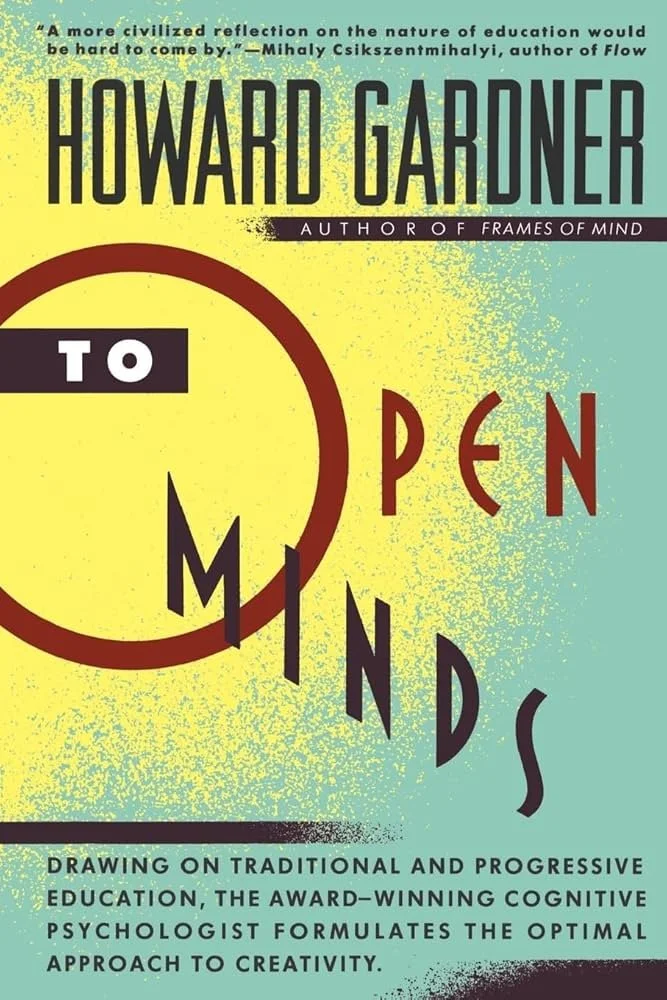
I was surprised at the widespread interest in Frames of Mind and especially surprised that it evoked such interest among educators—far more than among psychologists or other scholars. I am not insensitive to how others react to something that I’ve done, and so I began to focus more on educational issues, both in the United States and abroad. In fact, during the 1980s, when the work was first known, I made several trips to China, including a three-month stint in 1987, and much of the time was spent with educators and visiting schools. I wrote a book about my experiences called To Open Minds: Chinese Clues to the Dilemma of Contemporary Education.
While I became interested in educational issues I was hesitant to make specific educational recommendations, let alone start a school or devise a curriculum. Instead, when educators announced such ambitious interests and goals, I said I would be happy to learn from them and to help them, but that they were the educators. Indeed, I was the scholar, the social scientist who had developed ideas but that they were the ones—the informed practitioners—who could and should create and implement them. And that’s what I have tried to do for forty years.
Question: What do you consider to be the most successful applications of the theory of multiple intelligences in American classrooms, curricula, and assessment practices?
Answer: Whether in the United States or elsewhere, the best applications of MI theory draw on two concepts:
Individualization—Knowing as much as possible about each learner and presenting materials in ways that address the strengths and proclivities of each child. Of course, this is far easier when classes are small and when appropriate technological instruments are available.
Pluralization—Teachers should decide which ideas, concepts, practices are most important and then prepare to spend considerable time on them—and here is where “MI” comes in—to approach these important educational priorities in several ways. If one does this, if one approaches energy in science or revolution in history in numerous ways, one reaches more students and one gives every student more than one way to think about a topic.
Pluralization could always be done but it’s much easier to do at a time when we have powerful technology which can teach science, math, history, drawing, indeed the whole gamut of subjects and disciplines in many different ways.

In the latter years of the 20th century, I worked particularly with two schools—The Key School (later the Key Learning Community) in Indianapolis, Indiana and the New City School in St. Louis, Missouri. There is lots of written materials about both of these educational forays, see here and here, and I write about them in Multiple Intelligences: New Horizons, as well as the book I co-edited with Jie-Qi Chen and Seana Moran, Multiple Intelligences Around the World.
Question: How do you view the localized adoption of the theory of multiple intelligences in China and other East Asian regions? You visited China several times in the 1980s and discussed differences between Chinese and American approaches to arts education in To Open Minds (1989). MI theory has exerted considerable influence on China’s curriculum reforms, particularly in promoting arts education and aesthetic education, areas that have traditionally been relatively underdeveloped in the Chinese curriculum system. How do you assess these localized interpretations and applications?
Answer: I am very pleased to learn that my research ideas and my educational proposals have had influence in China and other parts of East Asia—including, in recent years, a great deal of interest in India. I make no pretense of evaluating how skillfully the work has been done. As a long-time art lover and a student of the arts, I am especially pleased to learn that aesthetic education has been bolstered—that was the principal reason for my several visits to China in the 1980s.

Around 2000, I was visiting some sites in China. I met with a journalist and asked her why there was so much interest in “MI” in China. She gave me a very memorable answer:
“In the United States, parents can look at each child and decide what to focus on in that child’s education—which intelligences to favor, to bolster. In contrast, in China, it’s just eight areas that we have to make sure that our child excels in.”
Even if this response was hyperbole, or perhaps a joke, it still indicates the greater emphasis in the West on individual differences and on individual flourishing. It may not be consistent with a Confucian or Buddhist or Communist approach to human development and flourishing.
Question: In the educational application of multiple intelligences, which aspects do you think are most prone to misunderstanding? For example, in China it is common to map school subjects directly onto specific intelligences, such as assigning mathematics and physics to logical-mathematical intelligence, language courses to linguistic intelligence, or music courses to musical intelligence. How do you view this type of simplified correspondence?
Answer: As you imply, this approach seems to be at odds with my whole educational philosophy. Of course, one can assign a particular intelligence to a particular subject matter—but if that’s all you do, nothing has been gained.

As I indicate in my answers to other questions, an “MI approach” to education entails mobilizing a student’s stronger intelligences so that they can master important concepts and processes. If one child learns history better via linguistic methods, a second child via art or music, a third child via logic, a fourth child via a focus on particular persons, heroes, villains, these should be the entry points to a better and more rounded education.
Otherwise, as you describe it, we are simply putting new labels on the traditional subjects rather than taking advantage of the fact that children have different strengths, different proclivities and tastes. Education (human and technological) should take advantage of these different profiles.
Question: The assessment of multiple intelligences has long been one of the most widely discussed issues in educational practice. Traditional examinations rely on objective and decontextualized measurements, whereas MI theory emphasizes that intelligences are potentials activated within specific cultural and situational contexts. Nevertheless, many educators still hope for a unified standard to avoid overreliance on subjective judgment, and some even attempt to use paper-and-pencil tests to assess multiple intelligences. How do you view the use of traditional assessment tools in evaluating MI? In your view, what pathways should be taken to assess multiple intelligences more appropriately?

Danfoss Universe theme park in Denmark
Answer: Ideally, the best way to assess intelligences is through a vehicle like a children’s museum—or in Denmark, a theme park called “The Explorama.” These are rich environments with lots of elements, aliments, and materials, which persons of any age can explore in their own way, as deeply as possible, pose questions, try out experiments, revisit, etc. Forty years ago, we undertook such an “MI education” with Project Spectrum—where colleagues and I created a rich preschool environment, encompassing the full range of intelligences, followed children over the course of a year, and even followed up with those children a year later. There are three books on this program and readers are well advised to consult them. (See more about these volumes here.)
As for paper and pencil tests, they are OK for the “standard intelligences”—language, logical-mathematical, and perhaps spatial—but are not appropriate for the other intelligences. I would not take seriously a test that purports to measure interpersonal or intrapersonal intelligence. Games and other rich environments provide some useful information, but evaluations are best done by individuals who know children well—parents, relatives, current and former teachers, coaches—and, if properly coached, children themselves—especially as they get older…and especially if they have good intrapersonal intelligence!

So long as you use multiple choice or other short answer instruments, you are really testing “test-taking intelligences” and not personal or bodily-kinesthetic or musical intelligences and you are assessing spatial intelligences in a suboptimal way.
Question: I have long been concerned with the question of whether the theory of multiple intelligences can be compatible with an exam-driven education system. In China, basic education is organized around competitive examinations, with a strong emphasis on logical-mathematical intelligence as the primary criterion for selecting the “best” students who will advance into higher levels of schooling. Yet according to MI theory, there is no single “most intelligent” person; individuals differ only in the areas in which their intelligences are strongest. MI aims to identify human potentials, to recognize children’s profiles of strengths at an early stage, and to reveal the diverse structures of intelligence that each child possesses. From this perspective, I sense a powerful value orientation toward educational equality embedded within the MI framework.
Answer: I appreciate this sympathetic question—which anticipates well how I think about these issues. So long as higher educational opportunities are restricted to those who do well on IQ-style measures—as has long been the case in China and other East Asian countries—you may as well just administer IQ tests and look at performances in a certain kind of traditional school.
I prefer to think about this question from a different perspective. What kind of a society do we want to have—aspire to—and how can we best achieve that kind of society, given our population and our educational options? We already have answers to this question based on the last IQ-centered century…and it’s not one that I’d like to repeat or extend!
I do think that an MI educational system and an MI-conscious society would likely be a healthier society—certainly more people would feel appreciated and would try to make contributions—including to the common good.
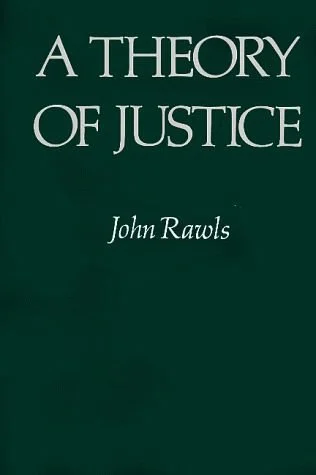
To be sure, life is not fair. And some individuals have a multitude of talents and intelligences while others have far fewer. (A Leonardo da Vinci appears only rarely!) But that’s no reason not to have an equitable society—one that recognizes individual talents, aspirations, needs, deficits—and tries to accommodate them as much as possible. (This is a principal idea behind philosopher John Rawls’ important work on A Theory of Justice.) That’s the kind of society that I would like future generations—including my own family—to live in. And, just possibly, that’s the one that MI can help to bring about.
Question: While the theory of multiple intelligences emphasizes individual differences and diverse potentials, schools still need to teach certain forms of “common cultural literacy,” such as the core cultural knowledge proposed by Eric Donald Hirsch. However, common cultural knowledge often reflects the power structure of the dominant culture, whereas individualized education seeks to honor each child’s unique intelligence profile. How do you think education should balance the transmission of shared cultural reference points with the respect for intellectual diversity and individual potential? Does MI theory require a rethinking of Hirsch’s notion of cultural literacy in order to avoid cultural assimilation and the reinforcement of dominant cultural norms?
Answer: You raise two questions. It’s fine to have common cultural knowledge, but that should not be the focus on school. School should focus on developing the skills and approaches that you need to succeed in life and to be a positive part of your community—including the world community.
What Hirsch recommended is now available via a touch of any available keyboard—no need to memorize geographical locations or the names of presidents or the sites and outcomes of war. So no need to include common cultural knowledge in curriculum—just let students know it’s available and how to locate it—and importantly, what questions to ask of it…since Hirsch’s list did not pay attention to societal diversity and to changing political and cultural agendas—it was like a short version of an encyclopedia published half a century ago.

As I am reflecting on these issues, public television in the United States is broadcasting a six-part series on the War for the American Revolution (1775-1781) and the founding of the United States of America. It’s an excellent series—trying to account for the good, the bad, and the ambiguous aspects of that epoch-making event. I am reminded of the remark allegedly attributed to Premier Zhou Enlai. Asked whether the French Revolution (1789-1795) had been a success, he paused for a while and then apparently responded: “It’s too soon to tell.”
Writing for a Chinese audience at the end of the first quarter of the 21st century, I would add: “It’s up to the human beings on the planet to determine whether we are to have good work and good citizenship.”
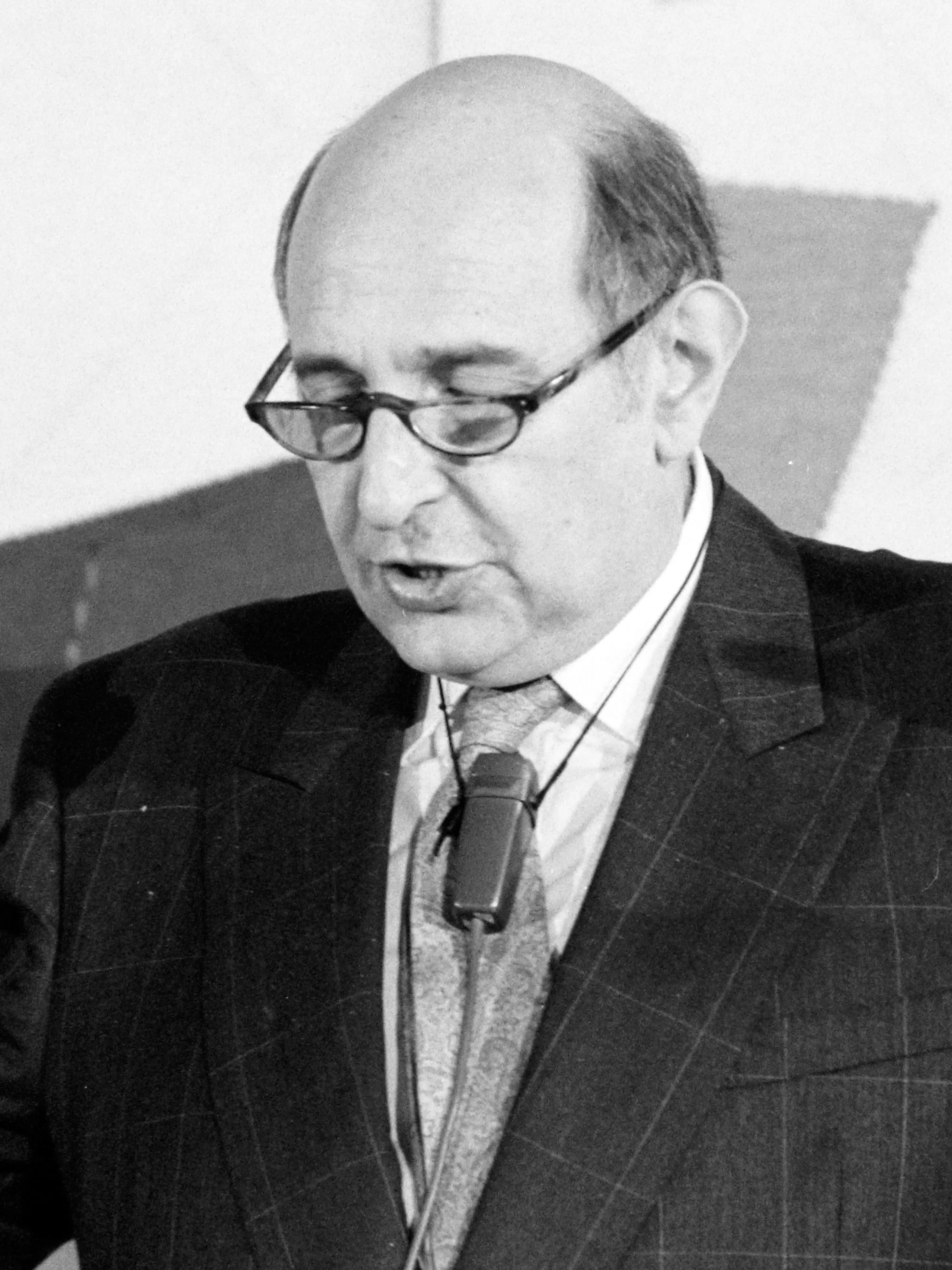
Question: In The Closing of the American Mind (1987), Allan Bloom argues for a return to the Western canon as a way to restore moral and spiritual order, whereas the theory of multiple intelligences emphasizes cultivating the diverse profiles of abilities that each student possesses. How do you view Bloom’s insistence on a single, “proper” path of spiritual and moral education? In your perspective, where does the deepest conflict lie between this canon-centered, elitist model of education and the MI framework that values individuality and diverse potentials? Is it possible for education to respect intellectual diversity while still maintaining a commitment to moral education and enduring spiritual traditions?
Allan Bloom
Answer: I do believe that if our planet is to survive, we need to have an education—formal or informal—that develops the moral and ethical potentials of human beings. For thirty years, as part of the Good Work Project (now called The Good Project) my colleagues and I have been devising and administering models and curricula that help young persons to become good workers and good citizens. Those individuals need to be excellent in their work, engaged in their work, and willing and able to deal responsibly with ethical and moral dilemmas.
Those are “the Three Es of Good Work and Good Citizenship”: Excellence, Engagement, and Ethics. You can learn more about this endeavor on our website thegoodproject.org and in the ten books that we have written, including Good Work (2001) authored by Gardner, Csikszentmihalyi and Damon.
In all candor, I have to say that Bloom’s ideas—developed in the middle of the 20th century—are no longer part of discourse in any circle of which I am aware. There are perhaps strands of what he thought and wrote that might still be of interest—but, remaining in candor, I think that readers’ time would be much better spent learning about The Good Project and the curricula that we have developed for various contexts.
Question: In an era marked by rapid advances in artificial intelligence and a growing emphasis on personalized learning, do you think the theory of multiple intelligences can offer new frameworks or perspectives for the future of education?
Answer: I don’t think that MI theory or any theory can provide the answer to how best to educate in the future. But I believe that the pluralism that MI theory recognizes and promotes is precisely what we need if we are to have a peaceful and healthy planet, that makes a place for educating all human beings to the best of their potential. In that sense, it is entirely appropriate that the grant that supported the research for Frames of Mind was a strand of a larger project at Harvard, called “The Project on Human Potential.” If the ideas that we developed on that project contribute to better education for all persons, that would be my dream.

Interviewer: Thank you very much for your generous and illuminating reflections. Your answers make it clear that the value of the theory of multiple intelligences has never been about offering a fixed educational formula, but rather about reminding us to acknowledge the diverse potentials of human beings and to embrace a more open and inclusive way of understanding learning, ability, and development. In an era of rapidly evolving artificial intelligence, this exploration of “human possibilities” feels more urgent than ever. I hope to bring your insights back to educational research and practice in China, so that more students may be understood, supported, and empowered because of their unique potentials. Thank you again for your time, and for the intellectual light you continue to offer to all who care about human development.